Português
 Русский
 Español
 Francés
 ไทย
ไทย
 Bahasa Indonesia
 Việt
Việt
 Türk
Türk
 Melayu
 العربية
 Korean
 Japanese
 Burmese
 Italian
 Hindi
Hindi
 Chinese, Traditional
 Dutch
Dutch


COA Interpretation for Buyers: Turn Lab Data into Commercial Decisions
Buyers of dietary fibers such as polydextrose and resistant dextrin need a fast, defensible incoming‑material workflow that protects product safety and commercial margin. This guide reshapes COA interpretation into practical tools you can actually use at the loading dock: a simple one‑page acceptance checklist, a fillable COA logging template, and clear rules for turning assay, moisture, microbiology and heavy‑metal results into pricing, shelf‑life and supplier‑performance decisions.

Shandong Shine Health Co., Ltd. specializes in polydextrose, resistant dextrin and related dietary fibers, operating GMP workshops and a fully equipped QC lab. The practices below align with how serious ingredient manufacturers design their own internal COA workflows, giving buyers a commercially robust, audit‑ready way to accept (or hold) every lot that arrives.
How to Use This Guide in the First 15 Minutes at Receiving
The goal is a consistent PASS / FAIL decision before goods are put away, without slowing down your warehouse.
- Assign the checklist to the warehouse receiver or QA inspector. This is the initial gate for every truck or container.
- Follow a tight 15‑minute SOP at the dock:
- If any critical item fails (identity, pathogens, heavy metals, serious assay deviation):
This approach matches what food‑industry quality systems and ISO 9001 frameworks expect for incoming raw material control and COA management.
One‑Page Quick Acceptance Checklist (Printable)
Use this table as a one‑page form at the dock. It is deliberately short and visual so receivers can complete it without reading through the full COA line by line.
| Check | PASS | FAIL | Action / Notes |
|---|---|---|---|
| PO / Product name / Grade matches COA | ☐ | ☐ | Check shipping label vs COA and internal PO. If identity mismatch → HOLD. |
| COA lot / batch matches delivery label | ☐ | ☐ | If lot numbers do not match exactly → HOLD and request clarification. |
| COA issue date within contract window | ☐ | ☐ | If older than your SOP allows (e.g., >30 days) → request updated COA. |
| Issuing lab & ISO 17025 accreditation visible | ☐ | ☐ | Look for lab name, report ID, accreditation or logo. No lab or unclear status → escalate to QA. |
| Fiber assay (result vs spec) | ☐ | ☐ | Confirm % on dry basis vs your specification. Record method and unit. |
| Moisture (%) | ☐ | ☐ | If above spec, consider shelf‑life reduction or price adjustment. |
| Ash (%) / Residue | ☐ | ☐ | Note any trend or deviation for long‑term supplier KPI tracking. |
| Heavy metals (Pb / As / Hg / Cd) | ☐ | ☐ | Any exceedance vs spec or legal limits → HOLD + notify QA immediately. |
| Microbiology (TPC / Yeast & Mold / Salmonella) | ☐ | ☐ | Pathogen present (e.g., Salmonella detected) → reject shipment. High counts → HOLD for risk assessment. |
| Packaging & visual condition | ☐ | ☐ | Check for damage, leaks, infestation, off‑odors; record photos. Serious defects → HOLD. |
| COA digital verification (QR / URL) | ☐ | ☐ | Scan QR or open URL to confirm authenticity and unaltered PDF. Save file in supplier folder. |
| Sample retained (sample ID / location) | ☐ | ☐ | Label sample (e.g., PDX‑Lot‑Date), note storage location and planned retention time. |
This single page becomes your audit trail at receiving and can be easily integrated into a paper‑based or digital SOP.
What to Check on a COA: From Header to Methods
Beyond ticking boxes, someone in QA or purchasing should review each new supplier’s COA format in detail. For ongoing lots, spot‑check regularly.
1. Header & Identity
Confirm that the COA header aligns with your purchase order and physical goods:
- Product name and grade (e.g., Polydextrose Powder, food grade).
- PO number, lot / batch number, manufacturing date and COA issue date.
- Net weight and packaging format if indicated.
Any lot mismatch or missing PO reference is a red flag. When in doubt:
- Put the lot on HOLD.
- Ask the supplier for a corrected COA or clarification.
2. Lab Metadata and Accreditation
Look for:
- Issuing laboratory name, address and contact details.
- Report ID and, ideally, analyst or electronic signature.
- Statement or logo of ISO 17025 or equivalent accreditation.
If the lab is not accredited or accreditation is unclear, trigger an internal risk assessment before relying on the COA for critical safety decisions.
3. Methods, LOQ and LOD
For key items (fiber content, heavy metals, microbiology), note:
- The test method (e.g., AOAC method for fiber, ICP‑MS for metals, plate count method for micro).
- The limit of quantification (LOQ) or limit of detection (LOD), especially for contaminants.
The same numerical result can mean different things if methods or LOQs differ. Record methods in your supplier approval file so you can compare like‑for‑like across labs.
4. Units and Conversions
Before comparing to your specifications or regulatory limits, standardize:
- % w/w vs % on dry basis.
- mg/kg vs ppm for heavy metals.
- CFU/g vs CFU/mL for microbiology.
Do not accept or reject a lot until you are sure the units match your written specification.
Ingredient‑Specific Expectations: Polydextrose & Resistant Dextrin
For Shine Health’s core dietary fibers, buyers typically anchor COA reviews on fiber assay, moisture, ash, heavy metals and microbiology.
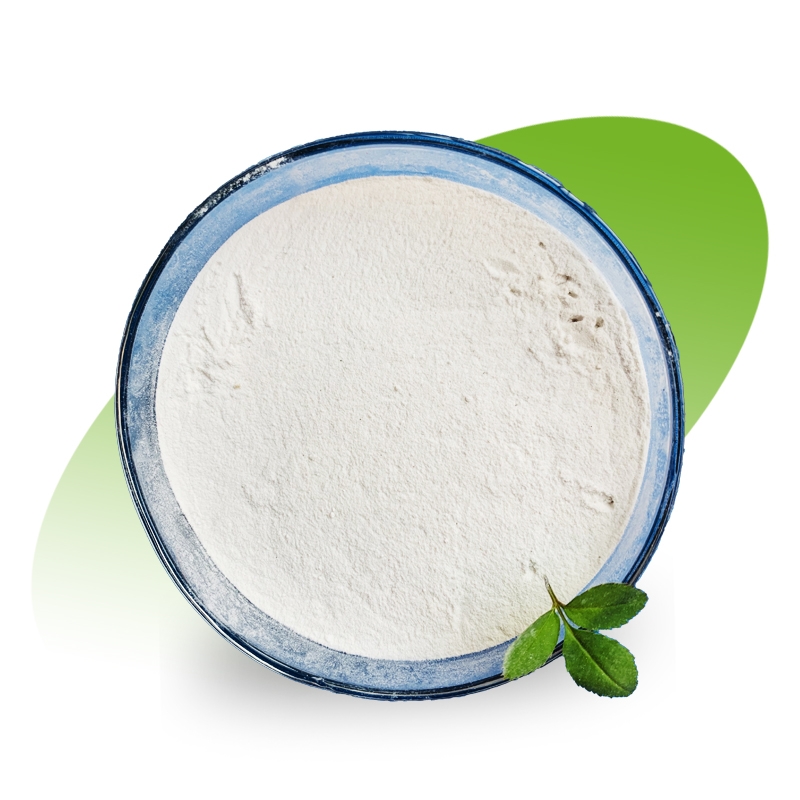
Polydextrose (Powder and Syrup)
From the Shine Health technical data for NON‑GMO polydextrose and polydextrose syrup:
- Polydextrose content (dry basis) typically ≥90%.
- Solid substance in syrup often ≥70%.
- 1,6‑dehydration‑D‑glucose ≤4.0% (dry basis, without ash).
- Glucose + sorbitol ≤6.0% (dry basis, without ash).
- Sulphated ash ≤0.3%.
- pH in syrup around 3.0–6.5.
- Heavy metals examples (syrup): lead (Pb) ≤0.5 mg/kg, arsenic (As) ≤0.5 mg/kg.
- Microbiology examples: total plate count ≤1,000 CFU/g; yeast and mold ≤25 CFU/g; Salmonella absent.
On every polydextrose COA, verify at least:
- Polydextrose assay vs your minimum (e.g., spec ≥88% or ≥90%).
- Moisture vs spec; higher moisture shortens usable shelf life and can affect caking.
- Metals and micro against both your specification and local regulations.
Resistant Dextrin (Gut‑Health / Nutritional‑Use Grades)
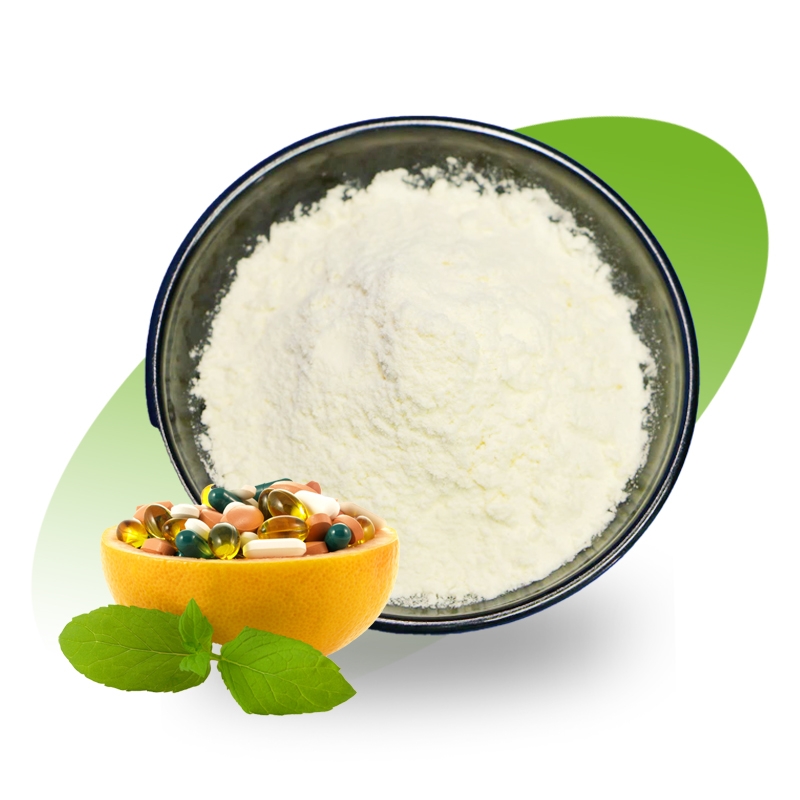
For Shine Health resistant dextrin, the core parameters look like:
- Fiber content ≥82%.
- Protein content ≤6.0%.
- Appearance: white to light yellow powder.
For resistant dextrin COAs, prioritize:
- Fiber content vs your label claim and formulation minimum.
- Protein level if you target specific allergen or nutritional profiles.
- Microbiology for gut‑health products, especially when used in probiotic blends or medical nutrition.
These expectations give buyers a realistic range for what a good COA should show and help you challenge unusual results early.
COA Logging Template and Worked Example
To make COA data usable in purchasing and quality dashboards, capture the same core fields every time. A simple row in Excel or ERP works well.
Suggested COA Logging Columns
- Date received
- Supplier name
- Product name & grade
- PO number
- Lot / batch number
- COA issue date
- Fiber assay (result + spec + PASS/FAIL)
- Moisture (result + spec + PASS/FAIL)
- Key microbiology (TPC, yeast/mold, pathogens + PASS/FAIL)
- Key heavy metals (Pb, As and others as needed + PASS/FAIL)
- Overall decision (ACCEPT / ACCEPT WITH CONDITIONS / HOLD / REJECT)
- Shelf‑life adjustment, if any
- Price adjustment, if any
- Sample ID and retention expiry
Example: Polydextrose Powder Lot
- PO#: 12345
- Lot: PDX‑202512
- COA issue date: 2025‑12‑01
- Fiber assay: 90.0% (spec ≥88.0%) → PASS
- Moisture: 6.2% (spec ≤6.0%) → FAIL → propose shelf‑life −25% pending supplier corrective action
- TPC: 200 CFU/g (spec ≤1,000 CFU/g) → PASS
- Pb: 0.2 mg/kg (spec ≤0.5 mg/kg) → PASS
- Decision: ACCEPT WITH CONDITIONS (shortened shelf life + note for next supplier review)
- Sample retained: S‑PDX‑12345, retained for 18 months.
Capturing this level of detail lets you turn a stack of PDFs into searchable data that can be used to negotiate pricing and assess supplier performance.
Turning COA Data into Commercial Value
A COA should do more than confirm safety. Used well, it becomes a commercial lever.
1. Pricing Tiers Linked to Assay and Moisture
Define price bands in your purchasing contracts:
- Premium tier: assay comfortably above minimum, moisture within target → full price and preferred status.
- Standard tier: assay at or just above spec, moisture close to upper limit → normal price.
- Discount tier: assay or moisture slightly outside ideal but still safe → automatic discount or credit, or shorter shelf life.
For example, if your spec for polydextrose fiber is ≥88% and a lot arrives at 86.5% but is otherwise compliant, you might:
- Accept the lot for non‑critical formulations at a pre‑agreed discount, or
- Put the shipment on HOLD and request a credit note or replacement.
Document these rules upfront in the purchase contract to avoid ad‑hoc negotiations later.
2. Shelf‑Life Prorating Based on Moisture
Higher moisture in powders often leads to:
- Faster caking and reduced flowability.
- Potential micro growth in extreme cases.
You can link observed moisture to remaining usable shelf life with a simple rule of thumb, such as:
Adjusted remaining shelf life = original remaining shelf life × (spec limit for moisture ÷ observed moisture).
If the spec for moisture is 6.0% and the COA shows 6.6%, and the lot has 20 months of shelf life left on paper:
- Adjusted remaining shelf life ≈ 20 × (6.0 ÷ 6.6) ≈ 18.2 months.
Record the adjusted date in your system and inform planning and sales so stock is used in time.
3. Supplier KPIs Built from COA History
Over time, COA logs become a supplier KPI dashboard. Useful indicators include:
- COA PASS rate by parameter and by product.
- Number of re‑tests requested per year and their outcomes.
- Average response time to investigations and corrective actions.
- Frequency of documentation issues (wrong lots, old COA dates, missing data).
Use these metrics in quarterly or annual supplier reviews to:
- Strengthen partnerships with high‑performing suppliers such as Shine Health.
- Request better pricing, additional services or priority allocation based on consistent performance.
- Justify dual sourcing or re‑sourcing if a supplier repeatedly underperforms.
Digital Verification and Escalation Workflow
Modern COAs increasingly include QR codes or URLs. Buyers can use these for fast authenticity checks.
Digital Verification Steps
- Scan the QR code or open the URL printed on the COA.
- Confirm that the online COA matches the paper or PDF copy in all key fields (product, lot, results, dates).
- Where available, check the issuing lab against public accreditation databases to verify ISO 17025 status.
- Save the original PDF into your supplier folder with a standardized file name (e.g., Supplier_Product_Lot_Date.pdf).
Red Flags That Warrant HOLD Status
Place the lot on HOLD and escalate if you find:
- COA issue date later than shipment date, or clearly reused for multiple lots.
- Missing or inconsistent lot numbers.
- Identical numeric results (to many decimal places) repeated across multiple COAs over long periods.
- Issuing lab with no traceable address, accreditation, or contact.
These situations do not always mean fraud, but they do require clarification and often independent testing.
Split‑Sample and Re‑Test SOP
When critical parameters fail or red flags appear:
- Prepare a documented evidence pack:
- Send a split sample to an accredited third‑party lab for confirmation.
- Keep stock on HOLD until re‑test results are available.
- Use the outcome to:
This procedure aligns with best practice for HACCP‑based incoming material control and shows due diligence in case of any dispute.
Implementation, Training and Recordkeeping
To make this COA approach work day‑to‑day, integrate it into your existing systems and train people who actually touch the goods.
- Embed the checklist and template into your receiving SOP, ERP or WMS so staff see them on screen or in printed receiving packs.
- Centralize records:
- Train warehouse and QA staff:
- Review and refine:
Handled this way, COA interpretation becomes a simple, repeatable process that protects your brand while still keeping trucks moving.
Working with Shine Health on COA and Quality
Shandong Shine Health Co., Ltd. supplies polydextrose powder, polydextrose syrup, resistant dextrin and related fibers from GMP workshops, with certifications including ISO9001, BRC, HALAL, HACCP and KOSHER. The company operates its own QC laboratories with advanced instruments such as high‑performance liquid chromatography and supports:
- COAs with clear assay, moisture, microbiology and heavy‑metal data.
- Documentation aligned to international quality management systems.
- Technical support for COA interpretation and formulation adjustments.
Product examples:
- Polydextrose Powder: view details
- Resistant Dextrin (Resistant Maltodextrin): view details
For COA templates, Excel logging sheets or supplier onboarding documentation, contact Shine Health directly at info@sdshinehealth.com or via WhatsApp.
References
- Moure‑Alonso, J. A., Aboal‑Somoza, M., & Bermejo‑Barrera, P. (2005). Design and preliminary evaluation of a procedure for the sampling of incoming bulk raw materials in a feedstuff factory. Accreditation and Quality Assurance. https://doi.org/10.1007/S00769-004-0901-3
- Leier‑McHugh, L. (2002). Tools for the field, testing and traceability in the distribution of food ingredients. Industry Technical Report.
- Demolingo, R. H., & Afianti, A. F. (2022). The analysis of hygiene, Hazard Analysis, and Critical Control Point (HACCP) purchasing department at Four Seasons Hotel Jakarta in ensuring food safety for guests. Jurnal Manajemen Pelayanan Hotel, 6(2).
- Bolton, A. (2013). Quality management systems for the food industry: A guide to ISO 9001/2. Springer.
- Shandong Shine Health Co., Ltd. (2025). Product specifications for Polydextrose Syrup and NON‑GMO Polydextrose. Retrieved from https://www.sdshinehealth.com/polydextrose/
- Shandong Shine Health Co., Ltd. (2025). Resistant Dextrin (Gut Health Dextrin) technical data. Retrieved from https://www.sdshinehealth.com/resistant-dextrin/
- Shandong Shine Health Co., Ltd. (2025). Company profile and quality system overview. Retrieved from https://www.sdshinehealth.com/company-profile.html