From Sample to Scale: Shine Fiber OEM/ODM Roadmap for Resistant Dextrin and Polydextrose

2025/12/10 10:08
Converting a promising lab sample into a stable, compliant, and scalable OEM/ODM product takes more than a good formulation. It requires early regulatory alignment, disciplined technical scale-up, and clear commercial terms that remove ambiguity before the first purchase order. This roadmap distills how Shine partners with brands to turn resistant dextrin or polydextrose prototypes into repeatable commercial supply—faster, with fewer surprises, and with quality controls built in from day one.

Shine Health inner page banner illustrating OEM/ODM scale-up

## Market need and Shine ingredients Demand for soluble fiber keeps rising as brands target satiety, calorie reduction, and glycemic control across beverages, bars, confectionery, and meal replacements. Shine supplies resistant dextrin and polydextrose from NON-GMO starch sources on automated GMP lines supported by a staffed QC laboratory, giving partners formulation flexibility and dependable quality. Early technical targets to align: - Dietary fiber: ≥82% as-sold; typical grades reach ≥90% on a dry basis for powders/syrups where specified. - Functional attributes: high solubility (~70%), low water activity for easy storage, controlled moisture, and verified microbiology. - Traceability: corn or tapioca origin with documented enzyme inputs and standard operating procedures.

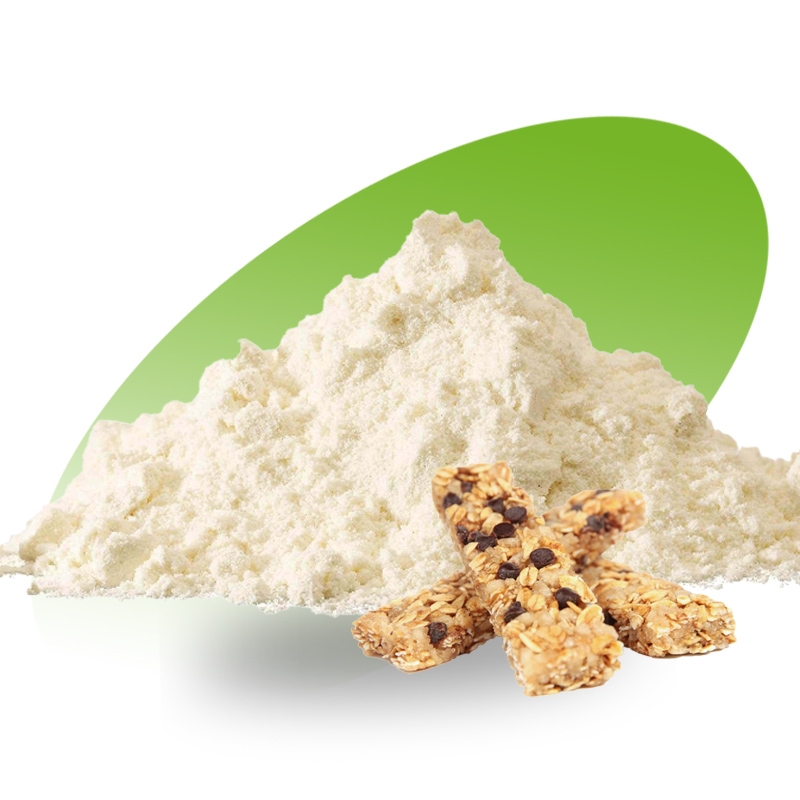
Resistant dextrin product image (powder grade)

- Resistant Dextrin: www.sdshinehealth.com/resistant-dextrin/ - Polydextrose: www.sdshinehealth.com/polydextrose/ ## Regulatory primer: US, EU, and China The regulatory route fundamentally sets time-to-market and labeling outcomes. Confirm status early and plan dossier work in parallel with pilot production. - United States (FDA) - Established fibers like resistant dextrin and polydextrose typically proceed via GRAS self-affirmation or GRAS notice. Dossiers summarize specifications, manufacturing process, historical use, and safety data. Facility-level FSMA readiness (preventive controls, supplier verification) is essential for import programs. - Practical timelines: approximately 6–24 months, depending on dossier completeness and interactions. - European Union (EFSA/National) - For ingredients without EU history of use or when novel claims are planned, a Novel Food application with EFSA review is the common path. Expect 12–36+ months, plus national labeling nuances and restrictions on nutrition/health claims. - China (NMPA/Local Acceptance) - Pathways vary by classification and existing local acceptance. Local testing and documentation are typically required, with timelines dependent on the product category and intended claims. Action checklist, by market: - Confirm regulatory classification and current status. - Prepare specifications and AOAC dietary fiber data. - Compile manufacturing SOPs, stability summaries, and change-control procedures. - Map allowable nutrition facts and claims per jurisdiction. ## Stepwise commercialization timeline (parallel lanes) Shorten critical path by running technical and regulatory workstreams in parallel: - R&D and formulation (1–3 months): bench trials, sensory optimization, prototype specs. - Pilot and stability (2–4 months): pilot batches, shelf‑life protocols (accelerated and real time), packaging line trials. - Dossier and safety data (3–9 months): compile specs, historical use, toxicology references, and method validations. - GMP validation and FSMA audits (3–6 months): process validation, cleaning validation, facility registration/readiness. - Labeling, packaging, and initial shipments (2–4 months): COA templates, packaging design approvals, logistics setup. Typical scenarios: - Fast track: 9–12 months (established regulatory status + parallelized steps) - Standard: 12–18 months - Conservative: 18–36+ months (Novel Food or new claims) ## Technical QC and process validation Build quality in rather than testing it in. Shine’s QC and process validation framework includes: - Analytical panel: AOAC total dietary fiber; proximate analysis; sugar profile; residual solvents where applicable. - Contaminants: heavy metals (e.g., Pb, As) against spec; pesticide screens per market. - Microbiology: TPC, coliforms, yeast, mold; retention samples and trending. - Stability: accelerated and real-time studies tracking water activity, moisture, and sensory. - In-process controls: particle size (powders), water activity, blending uniformity, filtration checkpoints (syrups). - Documentation: pilot SOPs, validation reports, method transfer records, and standardized batch COAs. ## OEM/ODM commercial roadmap Before scaling beyond pilots, align on commercial terms to avoid downstream rework: - Final specification and release criteria: fiber %, microbiology, heavy metals, moisture/Aw, and packaging integrity tests. - MOQ and lead-time tiers: from pilot kilograms to multi‑ton commercial orders, with pricing aligned to volume commitments. - Packaging: 25 kg paper bags, fiber drums, bulk containers, or custom retail pouches/private label. - Logistics and compliance: FSMA import readiness, supplier audits, Incoterms, and cargo insurance. - Certificates and records: batch COA, batch records, and contingency stock/spare capacity planning.

Standard packaging formats for OEM/ODM shipments

## Application snapshots (where scale meets performance) - Nutrition bars: increase fiber without compromising protein targets; maintain chew and moisture with low added sugars. - Functional beverages: boost fiber in clear, low-viscosity systems (including acidic or carbonated formats) without flavor drift. - Confectionery: elevate fiber and control crystallization in gummies, chewy candies, and fillings while protecting texture. ## What to prepare for a smooth kickoff - Target market list and regulatory route per market. - Draft specification, target claims, and labeling mockups. - Forecast and MOQ assumptions by launch phase. - Packaging configuration (primary/secondary) and distribution conditions. - Stability targets and any special storage claims (e.g., shelf life at specific Aw/moisture ranges). ## FAQ - GRAS vs. Novel Food: In the US, GRAS can be faster for well‑characterized fibers; Novel Food in the EU usually adds significant time due to EFSA review and national steps. - Pilot to first shipment: 9–12 months when regulatory is straightforward and steps run in parallel; 12–36+ months for complex dossiers or new claims. - Must‑have QC tests: AOAC dietary fiber, proximate analysis, heavy metals, microbiology, moisture/Aw, and stability. - What Shine provides: batch COA, production SOPs, basic batch data, and dossier support on request. ## Start your OEM/ODM project For the one‑page OEM/ODM checklist and three‑scenario timeline infographic—or to schedule a scoping call—contact Henry Liu. - Email: info@sdshinehealth.com - Phone: +86‑531‑67883910 - WhatsApp: 8613405443339 ## References - Dai, F.-J., & Chau, C.-F. (2016). Classification and regulatory perspectives of dietary fiber. Journal of Food and Drug Analysis. https://doi.org/10.1016/j.jfda.2016.09.006 - Salmas, G., Devries, J., & Plank, D. (2017). Challenges for dietary fiber: Benefits and costs of new U.S. regulations. Cereal Foods World. https://doi.org/10.1094/CFW-62-3-0088 - Li, Y. O., & Komarek, A. R. (2017). Dietary fibre basics: Health, nutrition, analysis, and applications. Food Quality and Safety. https://doi.org/10.1093/fqs/fyx007 - Martins, G. N., Ureta, M. M., Tymczyszyn, E. E., Castilho, P. C., & Gomez‑Zavaglia, A. (2019). Technological aspects of the production of fructo‑ and galacto‑oligosaccharides. Frontiers in Nutrition. https://doi.org/10.3389/fnut.2019.00078 - Gordon, D. (2020). FDA approval of added fiber as dietary fiber. Current Developments in Nutrition. https://doi.org/10.1093/cdn/nzaa049_025 - Shine Health product resources. Resistant Dextrin and Polydextrose pages. https://www.sdshinehealth.com/

Related Products

x